When winter rolls around, the chilly weather can turn your garage from a handy workspace into a cold, uncomfortable zone. Whether you use your garage as a workshop, a hobby room, or just a place to get things done, freezing temperatures can really slow you down. Not only can the cold make it tough to spend time working on projects, but it can also harm your tools, materials, and even your car if you store it there. So, keeping your garage warm isn’t just about comfort—it’s about protecting your investments and making the space usable all year long.
The good news is that heating a garage doesn’t have to be complicated or break the bank. There are many ways to tackle the cold, depending on your budget, how big your garage is, and how much time you spend in there. From simple, portable heaters you can plug in and move around, to more permanent solutions like insulation and radiant floor heating, there’s a heating method that can fit your needs. Plus, combining a few different approaches often works best to keep your garage cozy during those freezing months.
Before you jump into buying a heater, it’s important to understand that the key to an efficient heating system starts with insulation and sealing. Without proper insulation, warm air will escape and cold air will sneak in, which means your heater has to work harder and your energy bills will rise. That’s why things like insulating the walls and garage door, sealing gaps and cracks, and even adding floor coverings can make a huge difference in how well your heating setup performs.
In this article, we’ll walk you through 11 practical ways to heat your garage effectively. We’ll cover everything from choosing the right portable space heater to installing radiant floor heating or even using a wood-burning stove if that’s your style. You’ll also learn some handy tips on sealing drafts and insulating your garage door, which are often overlooked but essential steps. Whether you’re looking for a quick fix to warm up your space or planning a full garage makeover for the winter, this guide has you covered.
By the end, you’ll have a clear idea of the best options available and how to make your garage a warm, inviting spot all winter long. So, let’s get started and say goodbye to freezing garages once and for all!
1. Choose a Portable Space Heater (or Two) That’s Properly Sized for the Garage’s Square Footage
Portable space heaters are a popular choice for heating garages due to their affordability and ease of use. When selecting a heater, it’s crucial to choose one that’s appropriately sized for your garage’s square footage. Underpowered heaters will struggle to warm the space, while oversized units may lead to excessive energy consumption.
Tips:
- Look for heaters with adjustable thermostats and multiple heat settings.
- Ensure the heater has safety features like tip-over and overheat protection.
- Consider models with built-in fans for better heat distribution.
2. Insulate the Walls with Fiberglass Batt and Paneling
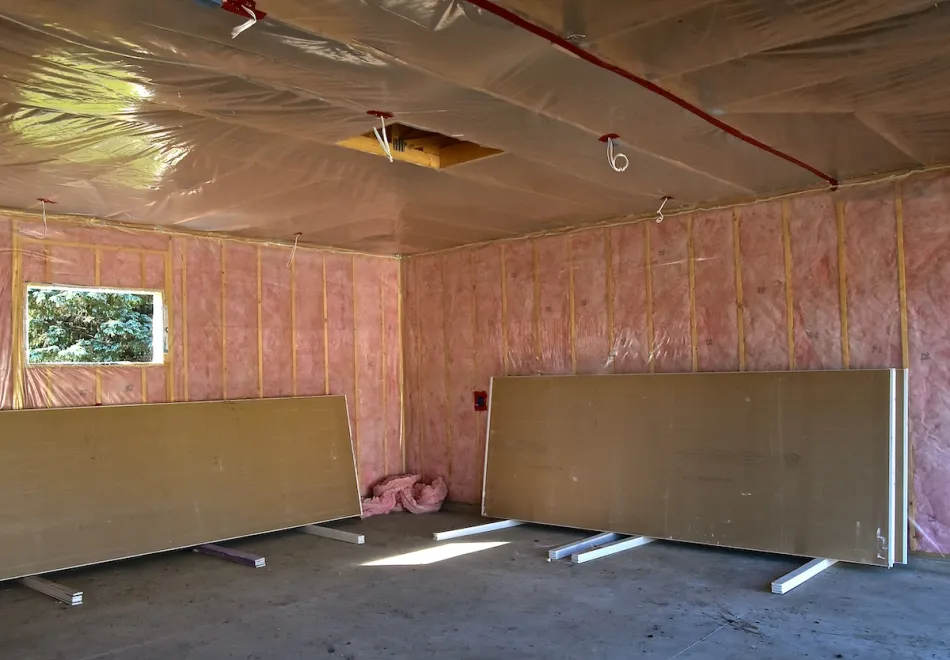
Proper insulation is key to maintaining a comfortable temperature in your garage. Fiberglass batt insulation is a cost-effective option that can be installed between wall studs. Covering the insulation with paneling not only improves aesthetics but also adds an extra layer of protection against drafts.
Benefits:
- Reduces heat loss and energy bills.
- Helps maintain a stable indoor temperature.
- Improves soundproofing.
3. Insulate the Garage Door
Garage doors are often a significant source of heat loss. Insulating your garage door can make a noticeable difference in maintaining warmth. There are various insulation kits available that are easy to install and can be cut to fit your door panels.
Options:
- Reflective foil insulation.
- Polystyrene foam panels.
- Polyurethane foam boards.
4. Seal Gaps and Drafts
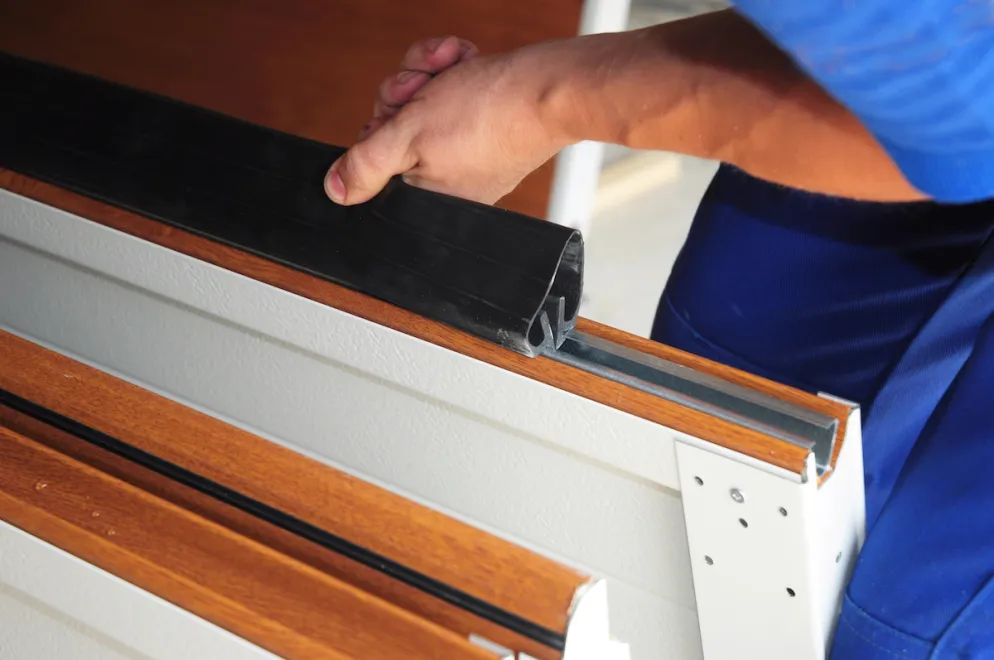
Even with insulation, gaps and drafts can undermine your heating efforts. Inspect your garage for any openings around windows, doors, and other fixtures. Use weatherstripping, caulk, or foam sealant to close these gaps and prevent cold air from entering.
Focus Areas:
- Around window frames.
- Underneath doors.
- Around electrical outlets and switches.
5. Install a Radiant Floor Heating System
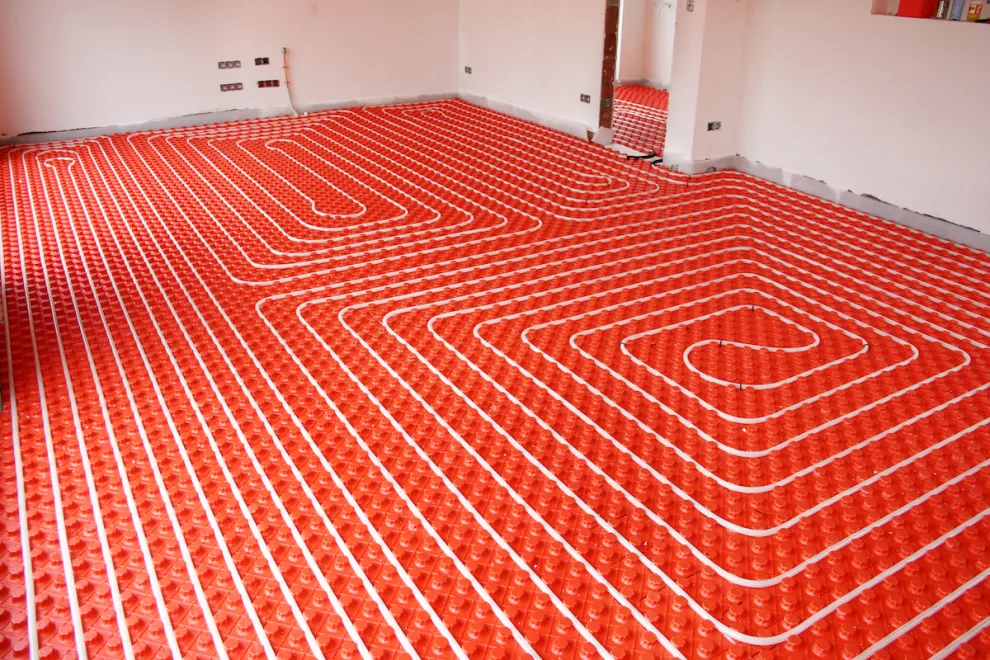
Radiant floor heating systems provide consistent warmth by heating the floor surface, which then radiates heat upwards. These systems can be electric or hydronic (water-based) and are ideal for garages with concrete floors.
Advantages:
- Even heat distribution.
- No visible equipment taking up space.
- Increased comfort, especially in colder climates.
6. Run a Portable Propane Heater
For garages without electricity or where electrical heating isn’t sufficient, propane heaters are a viable alternative. They provide powerful heat and are portable, making them suitable for various garage sizes.
Considerations:
- Ensure proper ventilation to prevent carbon monoxide buildup.
- Regularly check and maintain the heater for safety.
- Use only indoor-rated propane heaters.
7. Warm Up with a Wood-Burning Stove
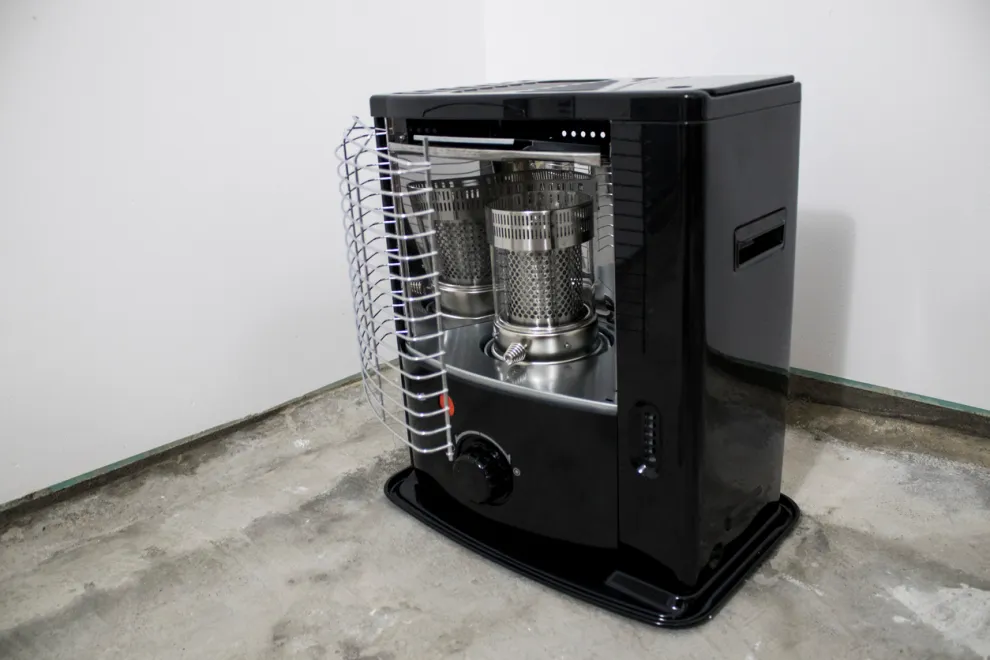
A wood-burning stove adds rustic charm to your garage while providing substantial heat. These stoves are particularly effective in large garages and can be a cost-effective heating solution if you have access to affordable firewood.
Points to Note:
- Requires proper installation and a chimney.
- Regular maintenance is necessary to ensure safe operation.
- May require a permit depending on local regulations.
8. Concentrate Heat with a Kerosene Space Heater
Kerosene heaters are powerful and can quickly raise the temperature in your garage. They’re especially useful for spot heating when you’re working in a specific area.
Safety Tips:
- Never leave the heater unattended while operating.
- Use in well-ventilated areas to avoid carbon monoxide buildup.
- Follow the manufacturer’s instructions for fuel and maintenance.
9. Radiate Heat
Infrared heaters work by emitting radiant heat that warms objects and people directly, rather than heating the air. This method is energy-efficient and provides immediate warmth.
Ideal For:
- Small to medium-sized garages.
- Areas where you need quick, targeted heating.
- Situations where you don’t want to heat the entire space.
10. Extend Your Mini-Split System Setup into the Garage
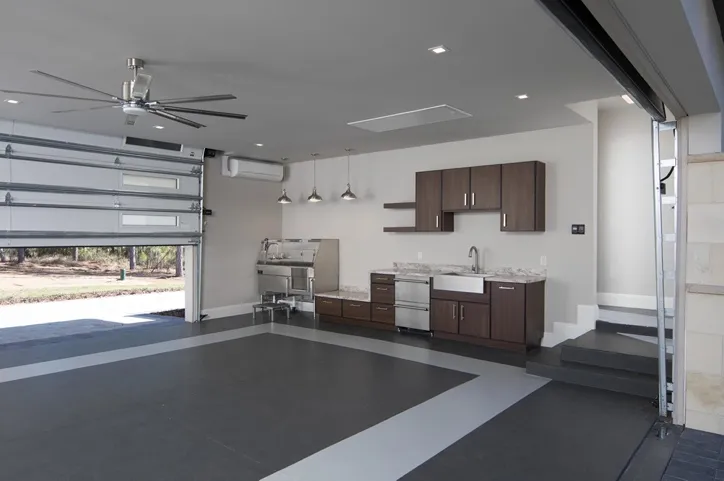
If you already have a mini-split HVAC system in your home, extending it into your garage can provide efficient heating and cooling. These systems are ductless and can be installed with minimal disruption.
Benefits:
- Energy-efficient operation.
- Provides both heating and cooling.
- Quiet operation.
11. Reduce Thermal Transfer with a Floor Covering
Concrete floors can absorb and retain cold, making your garage feel colder. Adding floor coverings like rubber mats, interlocking tiles, or carpets can help insulate the floor and reduce heat loss.
Options:
- Rubber garage flooring tiles.
- Foam interlocking mats.
- Area rugs or carpets.
Final Thoughts
Heating your garage doesn’t have to be overwhelming or costly. With the right approach, you can turn your cold, unused space into a warm, comfortable workshop or hobby area where you enjoy spending time—even in the dead of winter. The key is to combine effective insulation and draft sealing with a heating solution that fits your garage’s size, your budget, and how often you use the space.
Start by making sure your garage is well insulated. Insulating the walls and garage door and sealing any gaps will help keep warm air inside and cold air out, which makes your heater work more efficiently. Without these steps, even the best heaters will struggle to keep your garage comfortable and your energy bills manageable.
When it comes to heating, there’s no one-size-fits-all answer. Portable space heaters are a popular choice for their convenience and affordability, especially for smaller garages or if you only use the space occasionally. For larger garages or those looking for a more permanent solution, radiant floor heating or extending an existing mini-split HVAC system can offer steady, efficient warmth.
If you prefer a more traditional or off-grid option, wood-burning stoves or kerosene heaters provide powerful heat but require attention to safety and ventilation. Propane heaters are also a great portable alternative but must be used with caution indoors.
Don’t forget about floor coverings—they might seem minor but can greatly reduce the cold that radiates up from concrete floors, making your garage feel warmer overall.
Ultimately, the best heating solution depends on your unique needs. Think about how you use your garage, your climate, and your budget before deciding. If you take the time to properly insulate and seal your garage, any heating method you choose will work better and keep your space comfortable all winter long.
Ready to warm up your garage? Start with insulation, pick the right heater, and enjoy a cozy workshop no matter the weather outside.