When it comes to remodeling or designing your bathroom, one of the key decisions you’ll face is choosing the right countertop material. It’s not just about looks—your countertop needs to stand up to moisture, resist stains, be easy to clean, and fit your budget. With so many options out there, it can get confusing. That’s why we’ve gathered expert opinions, industry reviews, and real user feedback to break down the 8 best countertop materials for bathrooms.
Let’s dive in and help you find the perfect match for your bathroom!
In This Article
- Marble
- Granite
- Quartz
- Solid Surface
- Laminate
- Concrete
- Glass
- Tile
1. Marble
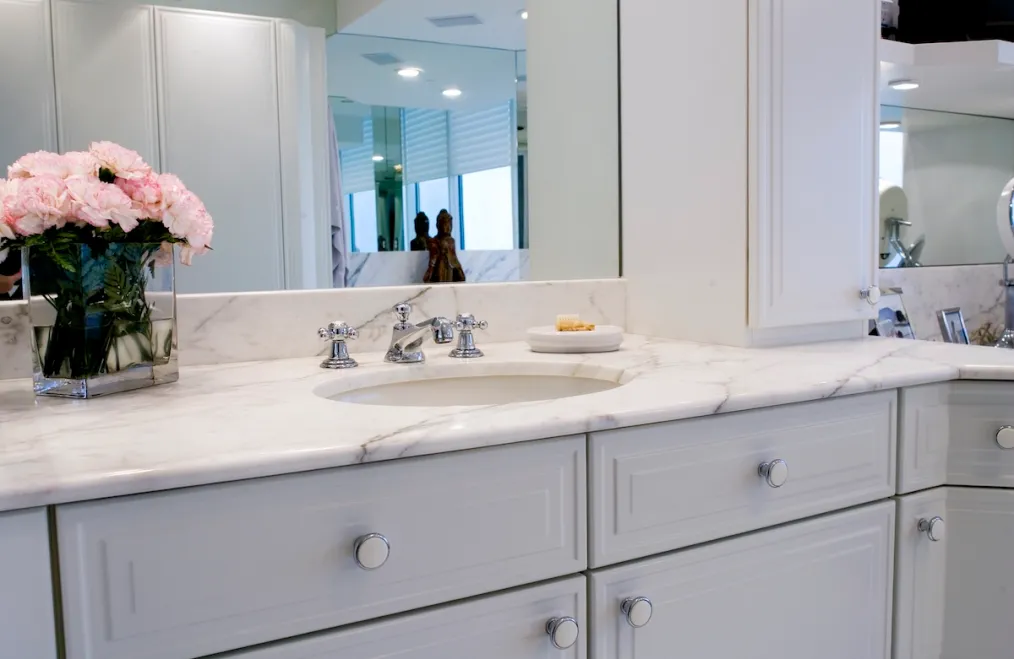
Marble is the timeless superstar of bathroom countertops. Known for its stunning veining and classic elegance, marble instantly elevates any bathroom’s style.
Why Experts Love It
- Aesthetic Appeal: Marble’s natural patterns and glossy finish create a luxurious, spa-like atmosphere.
- Heat Resistance: Marble is naturally resistant to heat, which makes it durable in humid bathroom environments.
- Uniqueness: No two marble slabs are alike, so your countertop will be one of a kind.
What to Watch Out For
- Porosity: Marble is porous, which means it can absorb water and stains easily. If you’re not careful, things like makeup, hair dye, or even soap scum can leave marks.
- Maintenance: To keep marble looking fresh, it needs to be sealed regularly (at least once or twice a year). It’s also prone to etching from acidic substances like lemon juice or certain cleaning products.
- Cost: Marble can be pricey compared to other options, but many homeowners feel the beauty and sophistication are worth it.
Who Should Choose Marble?
If you want a bathroom that feels luxurious and don’t mind some extra care to keep your surfaces pristine, marble is a fantastic choice. It’s especially popular in master bathrooms where style is a priority.
2. Granite
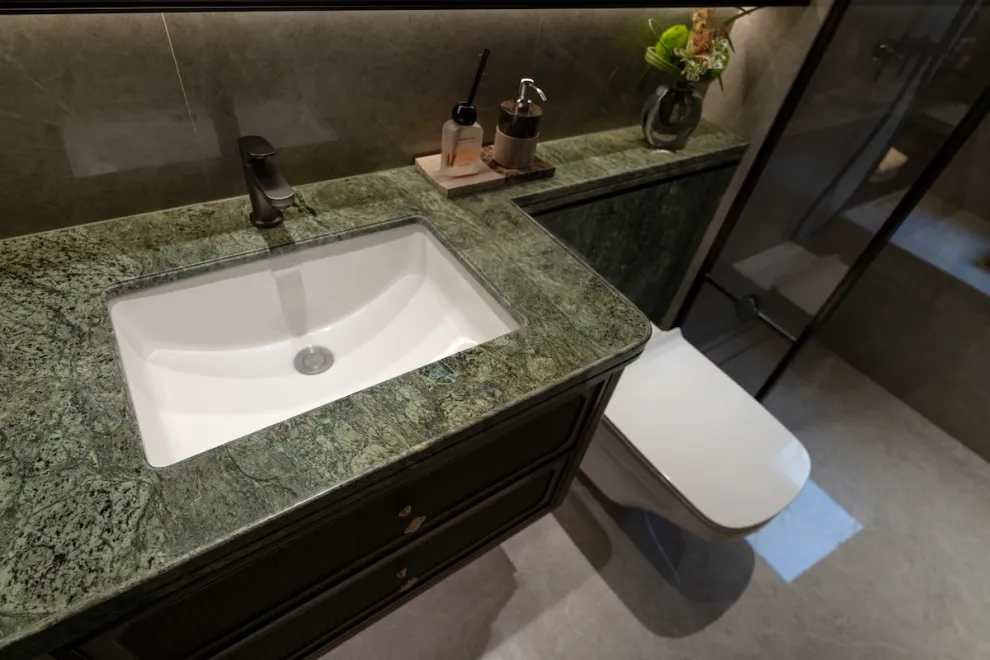
Granite is often considered the workhorse of bathroom countertops. It’s one of the hardest natural stones and offers a great mix of beauty and durability.
Why Granite Shines
- Durability: Granite resists scratches, chips, and heat, making it perfect for a busy bathroom.
- Wide Variety: From speckled patterns to bold veining, granite comes in tons of colors and styles, so you can find one to match any bathroom décor.
- Value Addition: Granite countertops can increase your home’s resale value thanks to their reputation for quality.
Things to Keep in Mind
- Sealing Required: Granite is porous too, so it needs to be sealed regularly to prevent stains.
- Weight: Granite is very heavy, so your cabinets need to be sturdy enough to support it.
- Cost: While often less expensive than marble, granite is still a higher-end material.
Who It’s For
Granite is ideal for homeowners who want a beautiful, durable surface that can handle everyday use without too much fuss. It’s a great middle ground between beauty and toughness.
3. Quartz
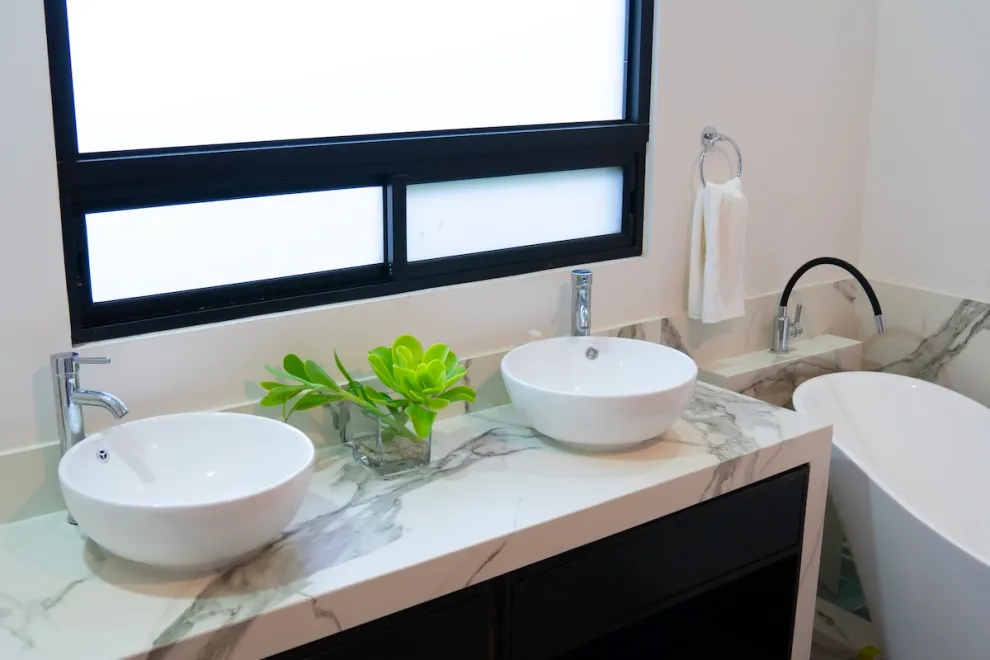
Quartz countertops are engineered stone, meaning they’re made by combining crushed quartz with resins and pigments. This gives them a lot of advantages in the bathroom.
Why Quartz Rocks
- Non-Porous Surface: Quartz doesn’t absorb water or stains, so it’s highly resistant to mold, mildew, and bacteria—a big plus in bathrooms.
- Low Maintenance: No sealing required! Just wipe it down with mild soap and water.
- Consistency: Since quartz is engineered, it comes in a wide range of consistent colors and patterns. You get the look you want without surprises.
- Durability: Quartz resists scratches and chips, though it’s not completely heat-proof.
Drawbacks
- Heat Sensitivity: Quartz can be damaged by very hot items. Always use a trivet or heat pad.
- Cost: Quartz can be expensive, often close to or even more than granite.
Best For
Quartz is perfect for people who want a hassle-free, hygienic, and stylish countertop without the upkeep marble or granite demand. It fits nicely in both contemporary and traditional bathrooms.
4. Solid Surface
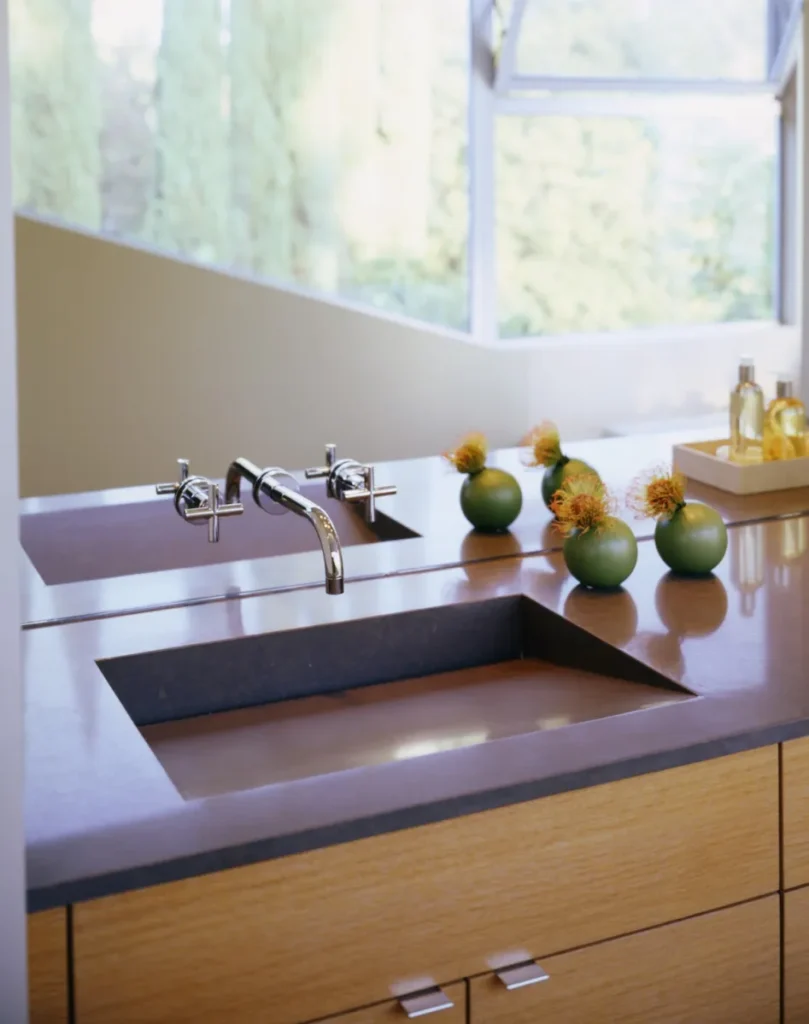
Solid surface countertops, often made from acrylic or polyester, are man-made materials known for their versatility.
Pros That Stand Out
- Seamless Look: Solid surface materials can be molded to create countertops without visible seams, giving a clean and modern appearance.
- Repairable: Scratches and minor damage can be buffed or sanded out easily.
- Custom Shapes: These countertops can integrate sinks and backsplashes for a uniform look.
Cons to Consider
- Scratch Prone: The surface is softer than stone, so it can scratch or dent with sharp objects.
- Heat Sensitivity: Avoid placing hot hair tools or cups directly on the surface.
Who Should Choose Solid Surface?
Great for those who want a smooth, modern look with integrated design elements. If you like to keep your bathroom looking fresh with minor DIY repairs, this is a smart pick.
5. Laminate
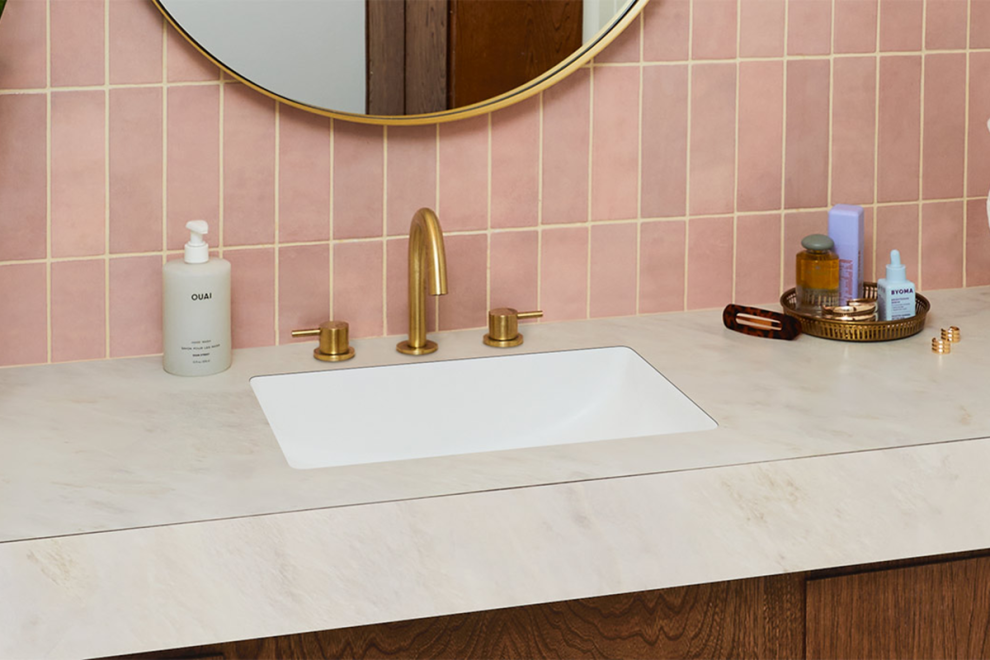
Laminate countertops are a budget-friendly option made from layers of paper or fabric fused with resin, topped with a decorative layer.
Why People Love Laminate
- Affordability: Laminate is one of the least expensive options available.
- Variety: It comes in countless colors, patterns, and even designs that mimic wood or stone.
- Easy to Clean: Smooth surfaces make cleaning simple.
The Trade-Offs
- Durability: Laminate can scratch, chip, or peel, especially in high-moisture or heavy-use areas.
- Not Heat Resistant: Hot styling tools or curling irons can damage the surface.
- Resale Value: Laminate countertops generally don’t add much to home value.
Who Laminate Works For
If you’re on a tight budget, want to update your bathroom quickly, or are looking for a temporary solution, laminate makes a lot of sense. It’s also good for renters or guest bathrooms where heavy use isn’t expected.
6. Concrete
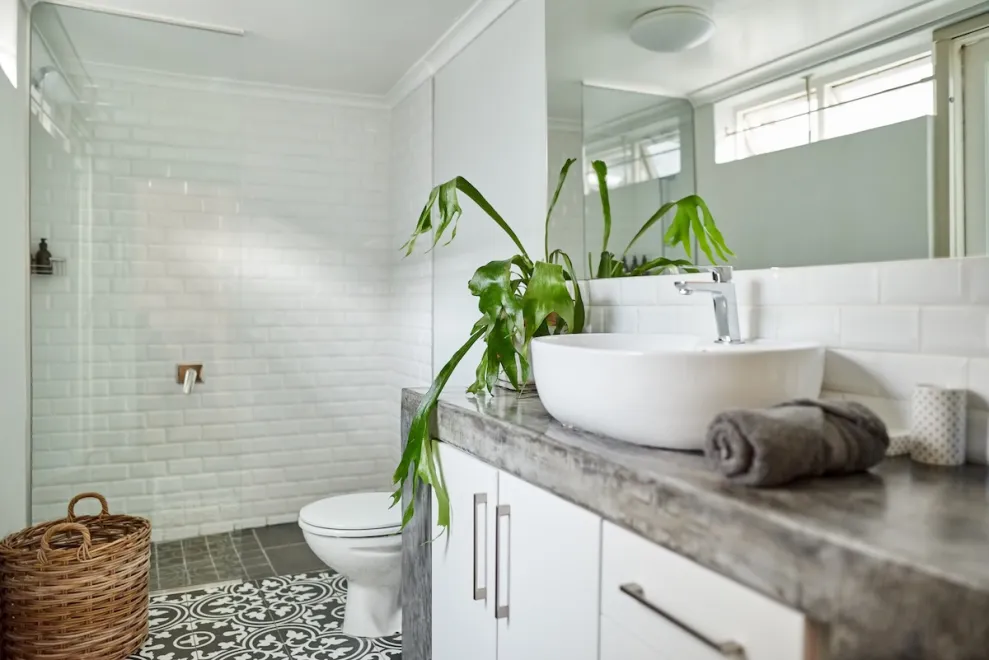
Concrete countertops have grown in popularity because of their industrial and modern vibe.
Why Concrete Is a Trendsetter
- Customization: You can tint concrete any color, embed patterns, or even add texture.
- Durability: Properly sealed concrete is strong, resistant to scratches, and water-resistant.
- Unique Look: Each slab can be made with subtle variations, giving your bathroom a one-of-a-kind feel.
Things to Be Careful About
- Cracking: Concrete can develop cracks over time, especially if not properly reinforced.
- Maintenance: Needs to be sealed regularly to keep water and stains out.
- Weight: Concrete is very heavy and requires strong cabinet support.
Ideal Users
Concrete is best for those who want a bold, custom look and don’t mind a bit of upkeep. It works great in modern or industrial bathroom designs.
7. Glass
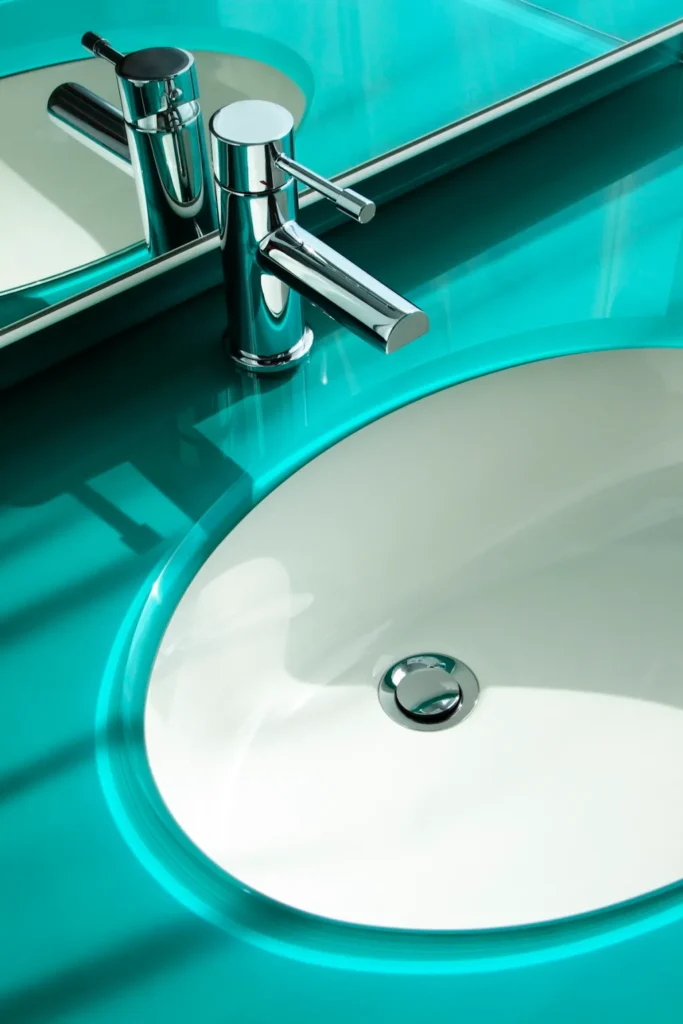
Glass countertops offer a sleek and futuristic look that’s perfect for contemporary bathrooms.
The Benefits of Glass
- Light Reflection: Glass reflects light beautifully, making small bathrooms feel more open and bright.
- Non-Porous: Glass won’t harbor bacteria or stains.
- Variety: Available in clear, frosted, textured, or colored glass.
Potential Downsides
- Scratches and Chips: Glass can show scratches and may chip if heavy items are dropped on it.
- Cleaning: Water spots and fingerprints can show easily, so it needs regular wiping.
- Fragility: Although tempered glass is strong, it can still break on impact.
Who Should Pick Glass?
If you’re after a clean, modern look and don’t mind regular cleaning, glass is a striking choice. It works especially well in minimalist and high-end bathrooms.
8. Tile
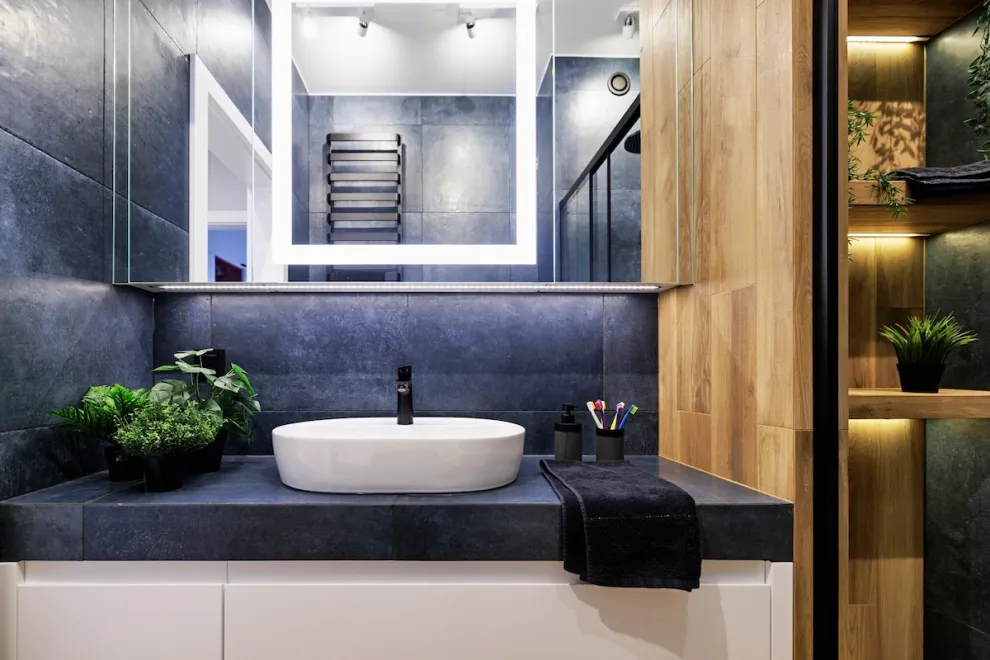
Tile countertops have been popular for decades, and they offer a great balance of style and affordability.
Tile’s Strong Points
- Customizable: You can mix and match colors, patterns, and sizes to create any look.
- Heat Resistant: Tiles stand up well to heat and moisture.
- Affordable: Good quality tile is budget-friendly, especially for DIY projects.
Challenges With Tile
- Grout Maintenance: Grout lines can stain and collect mold if not sealed and cleaned regularly.
- Uneven Surface: The grout and tile edges create a less smooth surface, which can be tricky when using the countertop.
- Chipping: Tiles can chip or crack with impact.
Who Should Go With Tile?
Tile countertops are perfect for creative homeowners who want a unique look and don’t mind the grout cleaning. It’s also great if you want to personalize your bathroom on a budget.
Final Thoughts
Choosing a bathroom countertop is about finding the right balance between style, durability, maintenance, and budget. Whether you crave the timeless elegance of marble, the rugged durability of granite, or the modern simplicity of glass, there’s a perfect material for you.
Take a moment to think about how much upkeep you want to handle, how your bathroom is used, and what kind of vibe you want to create. The right countertop can transform your bathroom from ordinary to extraordinary.
FAQs About Bathroom Countertop Materials
What’s the most durable countertop material for a bathroom?
Granite and quartz are considered the most durable for everyday use. Quartz has the edge on low maintenance, while granite offers natural stone beauty.
Are there eco-friendly countertop options?
Yes! Materials like recycled glass, bamboo, and some concrete mixes use sustainable resources or recycled content.
How often do stone countertops need sealing?
Marble and granite generally need sealing once every 1-2 years. Quartz and solid surfaces usually don’t require sealing.
Can I install my own countertop?
Some materials like laminate and tile can be DIY-friendly. But heavy materials like granite, concrete, or marble are best left to pros.
Which countertop is best for small bathrooms?
Light-colored materials like glass or quartz can help make small bathrooms feel brighter and more spacious.